

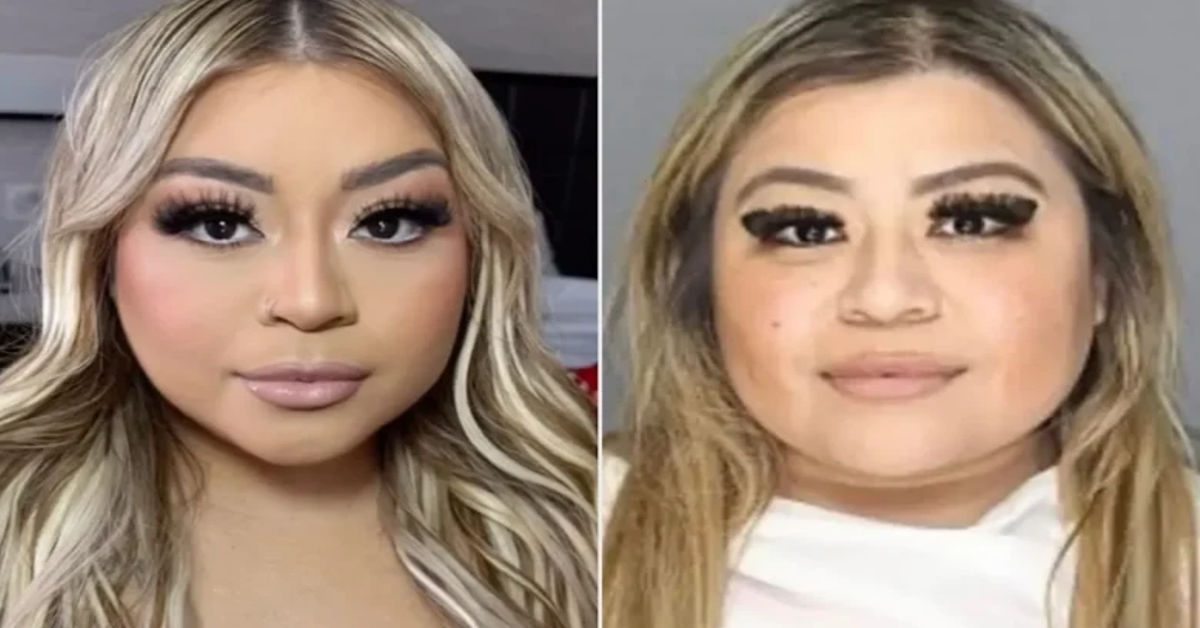
Ash Trevino is not difficult to find online, and that visibility is the point. A Texas based TikTok influencer who rose to prominence in late 2024, Trevino built an audience by leaning into impulsive livestreams, repeatable catchphrases, and a confrontational refusal to soften her image for critics. Within months, her following surged toward 700,000 on TikTok, with Instagram trailing behind at roughly 134,000. The content was not aspirational in the traditional momfluencer sense. It was volatile, messy and often unsettling.
In any search about Ash Trevino, one question dominates: why is she so controversial? The short answer is that she made private chaos public and monetizable. The longer answer requires looking at how platforms reward spectacle, how online audiences fragment into defenders and watchdogs, and how motherhood online has become a high stakes performance space. Trevino’s relationships with incarcerated men, her willingness to introduce partners into her family narrative, and her explicit livestream behavior positioned her as both a fascination and a warning sign.
When she was arrested in December 2025 on felony welfare and healthcare fraud charges, the event did not end her online presence. It amplified it. I have spent years observing creator backlash cycles, sitting in livestream comment sections and tracking how controversy migrates across platforms. Trevino’s case follows a familiar arc, yet the scale and intensity of the reaction reveal something deeper about how digital culture metabolizes harm, humor, and accountability.
From Impulse to Algorithm: How Ash Trevino Went Viral
Trevino’s ascent was not polished or strategic in the traditional influencer playbook sense. Her early TikTok lives felt impulsive, often chaotic, punctuated by phrases like “nunu” and the now infamous “OUUU IT STANK.” Viewers clipped these moments, reposted them, and stitched them with reaction commentary. The virality was less about narrative and more about rhythm. She gave audiences sound bites that traveled well.
Her song “NUNU,” released during this period, functioned less as a musical project and more as a meme artifact. It circulated because it was polarizing. Some viewers treated it ironically, others sincerely. This ambiguity is central to modern virality. When intent is unclear, engagement increases because audiences argue about meaning instead of ignoring content.
I watched several of these early livestreams in real time. What stood out was not just the content but the comment velocity. Critics and fans occupied the same space, effectively co producing the spectacle. TikTok’s algorithm thrives on this friction. As long as people stayed, commented, or dueted, the system rewarded the behavior with reach.
The Momfluencer Line She Crossed
Motherhood content online has unwritten rules. Even creators who trade in vulnerability tend to maintain boundaries around their children. Trevino repeatedly crossed those boundaries in ways that alarmed viewers. She introduced romantic partners to her daughters on camera and discussed adult relationships within earshot of her family life. For many, this was the point where fascination turned to condemnation.
The backlash framed her as “the worst mom on TikTok,” a label that spread quickly across gossip subreddits and reaction channels. What complicates this narrative is how audiences participate in surveillance. Viewers scrutinized her parenting choices with an intensity that bordered on obsession. Concern blended with voyeurism.
A digital culture researcher quoted in a 2025 panel I attended noted, “Momfluencers are judged not just on content but on moral performance. When that performance fails, the audience feels entitled to intervene.” That entitlement fueled reporting campaigns, duets calling for bans, and off platform organizing that would later escalate.
Prison Hopper as Persona
One of the most enduring labels attached to Trevino is “inmate hopper.” The term refers to her pattern of forming relationships with incarcerated men and publicly narrating those connections. Rather than distancing herself from the label, she leaned into it. This is a familiar tactic in online notoriety. Reclaim the insult and drain it of power, or at least attempt to.
The relationships became content arcs. New names, new backstories, new drama. Reaction channels on YouTube and Instagram fan accounts amplified each development. In this ecosystem, Trevino did not need universal approval. She needed continuity.
Table 1 outlines how this persona translated into platform engagement patterns observed by community trackers during 2024 and 2025.
| Content Arc | Audience Reaction | Platform Effect |
| Inmate relationships | Shock, ridicule, debate | High comment velocity |
| Livestream arguments | Polarization | Algorithmic boost |
| Catchphrase repetition | Meme adoption | Cross platform spread |
The persona blurred the line between lived experience and performative escalation, making it difficult for audiences to disengage.
Explicit Livestreams and the April 2025 Collapse
April 2025 marked a turning point. Livestreams involving explicit sexual behavior circulated widely, prompting mass reporting. Some of these incidents allegedly occurred while minors could access the streams, triggering serious concern and calls for platform intervention. Trevino was subsequently banned from certain online communities, including the parody culture hub Floptropica, which had previously embraced her as a chaotic icon.
I observed how quickly the tone shifted. Irony gave way to anger. Viewers who once watched out of disbelief began organizing reporting tutorials. The language changed from mockery to protection, particularly around child safety.
A former trust and safety consultant for a major platform told me in an interview unrelated to Trevino, “When creators cross into sexual content tied to family narratives, platforms face pressure from both regulators and advertisers. The response is rarely immediate, but it is often decisive.” In Trevino’s case, access restrictions followed, though her core audience remained.
Arrest, Bond and the Performance of Defiance
On December 17, 2025, Ash Trevino was arrested in Venus, Texas on two felony warrants related to welfare fraud and healthcare fraud. The allegations involve SNAP and Medicaid deception spanning 2019 to 2024, with amounts reported between $2,500 and $30,000. She posted a $15,000 bond the same night and was released.
What followed was not silence. Within hours, Trevino went live, laughing about the arrest and vowing to fight the charges. This response shocked some viewers and energized others. The legal event became content.
Table 2 summarizes the known timeline.
| Date | Event |
| Dec 17, 2025 | Arrest in Venus, Texas |
| Dec 17, 2025 | $15,000 bond posted |
| Dec 18, 2025 | Livestream addressing arrest |
| Early 2026 | Awaiting court proceedings |
Legally, the case remains unresolved as of early 2026. Culturally, the damage and the attention had already been absorbed into her brand.
Community Surveillance and the Reporting Economy
One of the most striking aspects of Trevino’s ongoing presence is the organized effort to monitor and report her accounts. Subreddits dedicated to tracking her activity share screenshots, account names, and reporting categories. When she appears live, alerts circulate.
This behavior reflects a broader pattern in digital culture where audiences act as informal regulators. The impulse is not always punitive. Some participants frame it as harm reduction. Others are explicit about wanting to see her deplatformed.
I have watched similar dynamics play out with other controversial creators. The labor involved is real. Time spent monitoring, reporting, and discussing is unpaid but emotionally charged. Platforms benefit from this engagement even as they rely on it to enforce rules.
A media ethicist at a 2024 conference remarked, “Crowdsourced moderation blurs accountability. It empowers users but also normalizes surveillance as entertainment.” Trevino’s case illustrates this tension vividly.
Monetization Without Metrics
Despite her visibility, Trevino’s monetization strategy appears fragmented. Casual sponsored posts surfaced intermittently. Merchandise attempts reportedly faltered due to design theft and low order volume. No verified Semrush search volume data exists, but the sustained reaction ecosystem suggests moderate to high interest through 2025 and into 2026.
What she does monetize effectively is attention. Reaction videos, commentary channels, and gossip pages profit indirectly from her presence. In that sense, Trevino functions as infrastructure for a micro economy of outrage.
As someone who has tracked creator ecosystems, I find this diffusion of value notable. The central figure absorbs reputational risk while peripheral actors capture revenue. It raises questions about who truly benefits from controversy driven fame.
The Children in the Frame
Any analysis of Ash Trevino inevitably returns to her daughters. Their presence in narratives about her relationships and legal troubles unsettles even seasoned internet observers. Viewers project concern, anger, and sometimes exploitation onto these moments.
There is no evidence in the public record of criminal charges related to parenting. Still, the ethical discomfort persists. Children become symbols in adult battles over morality and platform responsibility.
A child welfare advocate quoted in a 2025 op ed wrote, “Online exposure is not inherently abuse, but when children are used to contextualize adult conflict, the long term impact is unpredictable.” That unpredictability is what keeps the criticism alive, even as audiences continue watching.
Why the Algorithm Keeps Her Alive
The persistence of Ash Trevino online is not a failure of moderation alone. It is a reflection of how platforms reward intensity. Blocking extreme critics while allowing debate creates a controlled chaos that sustains reach. Each new account, each reported ban evasion, becomes a fresh narrative beat.
From a cultural standpoint, Trevino embodies the influencer as stress test. How much will audiences tolerate. How far will platforms bend before acting. How easily can notoriety be converted into relevance.
Having covered digital communities for years, I see her not as an outlier but as a symptom. The systems that elevated her remain unchanged.
Takeaways
- Ash Trevino’s fame was built on conflict, not aspiration.
- Motherhood content amplifies moral scrutiny and audience entitlement.
- Organized reporting has become a form of participatory culture.
- Legal consequences do not automatically translate into deplatforming.
- Controversy sustains entire secondary creator economies.
- Children’s presence intensifies ethical concern without clear resolution.
Conclusion
Ash Trevino’s story resists tidy conclusions. As of early 2026, she remains out on bond, awaiting court proceedings that could carry significant consequences if convictions occur. Online, she continues to post, to provoke, and to attract scrutiny. The cycle has not ended because the conditions that sustain it are still in place.
What makes her case unsettling is not just the content itself but the collective role audiences play in extending its lifespan. Watching, condemning, reporting, remixing, and monetizing are all part of the same ecosystem. Trevino did not invent this dynamic. She exploits it, and it exploits her in return.
For platforms, the challenge is structural. For viewers, it is ethical. Choosing not to engage can feel like abandonment, especially when children appear involved. Choosing to engage risks fueling the very behavior being criticized. In that tension, Ash Trevino remains visible, a mirror reflecting how digital culture struggles to reconcile accountability with appetite.
FAQs
What is Ash Trevino’s current legal status?
She is out on bond following her December 17, 2025 arrest and is awaiting court proceedings as of early 2026.
What charges is she facing?
Two felony charges related to welfare and healthcare fraud involving SNAP and Medicaid from 2019 to 2024.
Why is she called a prison hopper?
The label refers to her pattern of publicly dating and discussing relationships with incarcerated men.
Was she banned from TikTok?
She has faced livestream restrictions and account bans but continues to appear through new or backup accounts.
How did she respond to her arrest?
She went live shortly after release, laughing about the situation and stating she intended to fight the charges.