

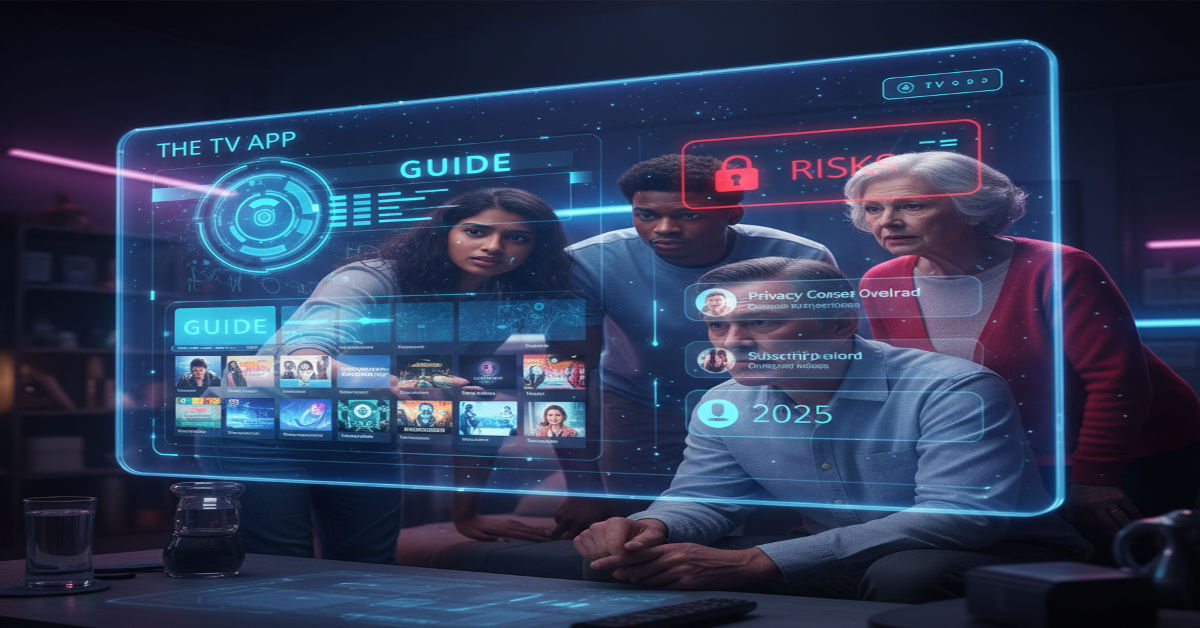
In an era defined by cord-cutting and subscription fatigue, platforms promising free, instant access to live television have captured global attention. TheTVApp stands out as one such service, offering live sports, entertainment and news streams directly through a web browser, with no registration or subscription required. Users can watch major sports events, international news channels and popular TV shows instantly, creating a compelling alternative to traditional cable packages and official streaming platforms.
Despite its popularity, TheTVApp operates in a complex environment shaped by legal ambiguities, security concerns and varying reliability. While the platform’s simplicity and accessibility appeal to millions worldwide, questions about content licensing and the potential for malware or intrusive ads have prompted caution among users and regulators alike. Streaming content without proper authorization may breach copyright law and the platform’s reliance on third-party sources can affect performance and stability.
This article examines TheTVApp from multiple angles its functionality, user appeal, legal standing, safety considerations, performance and its position within the broader streaming ecosystem. By exploring both the opportunities and risks associated with this platform, we provide a balanced view of a service that exemplifies the challenges and possibilities of media consumption in 2025.
What Is TheTVApp?
TheTVApp is a browser-based streaming platform that aggregates live sports, news, and entertainment channels. Unlike official services, it does not host content directly. Instead, it provides links to third-party streams, often from sources that may not have clear licensing agreements. This aggregator model allows users to access a wide variety of content without creating accounts or paying fees.
While the convenience of instant access is appealing, it raises legal and ethical concerns. Many streams originate from unauthorized sources, placing users in a gray area legally. Rights holders and regulators have expressed concern over these types of platforms, which skirt traditional licensing requirements while profiting indirectly through advertising or traffic. Despite these challenges, TheTVApp has gained traction among audiences seeking alternatives to increasingly fragmented and costly streaming options.
The Allure of Free Streaming
Free streaming services like TheTVApp resonate with users for several reasons: accessibility, affordability, and global reach. The platform eliminates registration barriers, subscription fees, and regional restrictions that frustrate traditional viewers. Major sports leagues, including the NFL, NBA, and UEFA Champions League, generate high demand for instant access.
Key appeal factors include:
- Browser-based streaming, compatible with most devices.
- No sign-ups or accounts required.
- Worldwide access, subject to some geo-restrictions.
Users frequently share experiences online praising the convenience, while others note buffering or broken streams during peak times. This inconsistency highlights the tension between accessibility and reliability, a common characteristic of free streaming aggregators.
Legal Landscape
The primary legal concern surrounding TheTVApp is copyright compliance. Traditional broadcast and digital distribution rely on licenses that specify how content can be shared. When a platform links to unauthorized streams, it may violate copyright laws even if it does not host content directly.
In the United States, legislation such as the Protecting Lawful Streaming Act addresses commercial streaming piracy, although individual viewers are rarely prosecuted. In other countries, unauthorized streaming can carry civil and criminal penalties. TheTVApp’s legal status depends on regional law and the specific sources it aggregates, creating an environment of uncertainty for users.
Official streaming services, including ESPN+, DAZN, and league-specific apps, provide legal alternatives. They ensure content rights are respected but often come with higher costs, regional restrictions, and subscription requirements.
Safety Considerations
Free streaming platforms often monetize through advertising and third-party scripts, introducing potential security risks. Malware, tracking scripts, and phishing links can compromise devices and user data. Without transparent privacy policies, users cannot always know what information is collected or how it is used.
Security measures, such as ad blockers, antivirus software, or private browsing modes, can mitigate some risks. However, inherent dangers remain when using unverified streaming aggregators. HTTPS encryption protects the connection but does not guarantee the legitimacy or safety of the content delivered. Users must remain vigilant about the potential for exposure to malware or intrusive advertising.
User Experience and Reliability
TheTVApp offers convenience but suffers from inconsistent performance. Stream reliability varies based on server load, source stability, and device compatibility. Popular events may experience buffering or outages, while some streams fail to load on specific browsers or smart TVs.
Despite these challenges, many users rely on TheTVApp as a fallback option when official streams are unavailable or blocked. The mixed feedback underscores the trade-off between free access and performance stability. Users must weigh convenience against potential frustrations.
TheTVApp vs. Official Streaming
| Feature | TheTVApp | Official Streaming |
| Cost | Free | Subscription-based |
| Legality | Gray area | Fully licensed |
| Reliability | Variable | Stable |
| Safety | High ad exposure; potential malware | Low risk; vetted ads |
| Device Support | Browser only; inconsistent | Native apps on multiple platforms |
Industry Context
The rise of TheTVApp reflects broader trends in cord-cutting and streaming fragmentation. Many viewers face multiple subscriptions across Netflix, Disney+, ESPN+, and Amazon Prime, increasing the appeal of free alternatives. The platform thrives where cost, convenience, and access intersect, but legal enforcement and content owners’ efforts to protect intellectual property continue to shape the ecosystem.
The tension between consumer demand for free, flexible access and the need to compensate creators illustrates ongoing challenges in media policy, economics, and technology.
Expert Perspectives
“Platforms like TheTVApp create friction in the media ecosystem, challenging traditional licensing structures while satisfying consumer demand.” — Media Rights Analyst
“Security risks on free streaming sites are real; malware and intrusive ads are persistent threats.” — Cybersecurity Researcher
“Consumers seek flexibility, but protecting creators’ rights requires legal, licensed platforms to thrive.” — Digital Media Economist
Takeaways
- TheTVApp provides free, browser-based access to live TV without registration.
- It functions as an aggregator of third-party streams rather than hosting licensed content.
- Legal risk depends on jurisdiction and source legitimacy.
- Security concerns include malware, intrusive ads, and potential privacy risks.
- User experiences vary, with occasional buffering and stream failures.
- Tools like ad blockers or VPNs can mitigate some risks.
- Official streaming services offer legal, reliable alternatives but at a cost.
Conclusion
TheTVApp embodies both the promise and complexity of modern media consumption. Its free, instant access to live broadcasts appeals to users frustrated with costly subscriptions and fragmented streaming options. However, the platform operates in a gray legal zone and carries potential security and reliability risks.
As consumers navigate between convenience and responsibility, the media landscape continues to evolve. Official streaming services refine access and pricing, cybersecurity measures increase, and regulators maintain pressure on unlicensed platforms. For users, the decision balances cost savings against legal and technical risks, making TheTVApp a reflection of broader shifts in digital content consumption in 2025.
FAQs
Is TheTVApp legal?
Legality depends on the source of the streams and local copyright law; unauthorized streaming is often prohibited.
Do I need to register or pay?
Most versions are free and require no registration, though some may offer paid options.
Can TheTVApp harm my device?
Third-party ads and scripts can expose devices to malware or tracking.
Why do some streams buffer or fail?
Source instability and server load can affect stream performance.
Are there safer alternatives?
Yes; licensed services like ESPN+, DAZN, YouTube TV, and league apps offer legal streaming.
References
Marketing Case Study. (2025). TheTVApp: The complete 2025 guide (safety, legality & better alternatives). Retrieved from https://marketingcasestudy.io/blog/thetvapp/ Marketing Case Study
Onerep. (2025, October 22). Is TheTVApp.to safe? Assessing the free streaming platform in 2025. Retrieved from https://onerep.com/blog/is-thetvapp-to-safe onerep.com
TechBloat. (2025). TheTVApp: Free Live TV | Guide | Legality? Risk. Retrieved from https://www.techbloat.com/thetvapp-free-live-tv-guide-legality-risk-2.html TechBloat
DigitBin. (2025). TheTVApp: Free Live TV & safety [Review 2025]. Retrieved from https://www.digitbin.com/thetvapp-to-live-tv/ DigitBin
TheTVApp.com.im. (2025). TheTVApp – Free live sports streaming anytime, anywhere. Retrieved from https://thetvapp.com.im/ thetvapp.com.im