

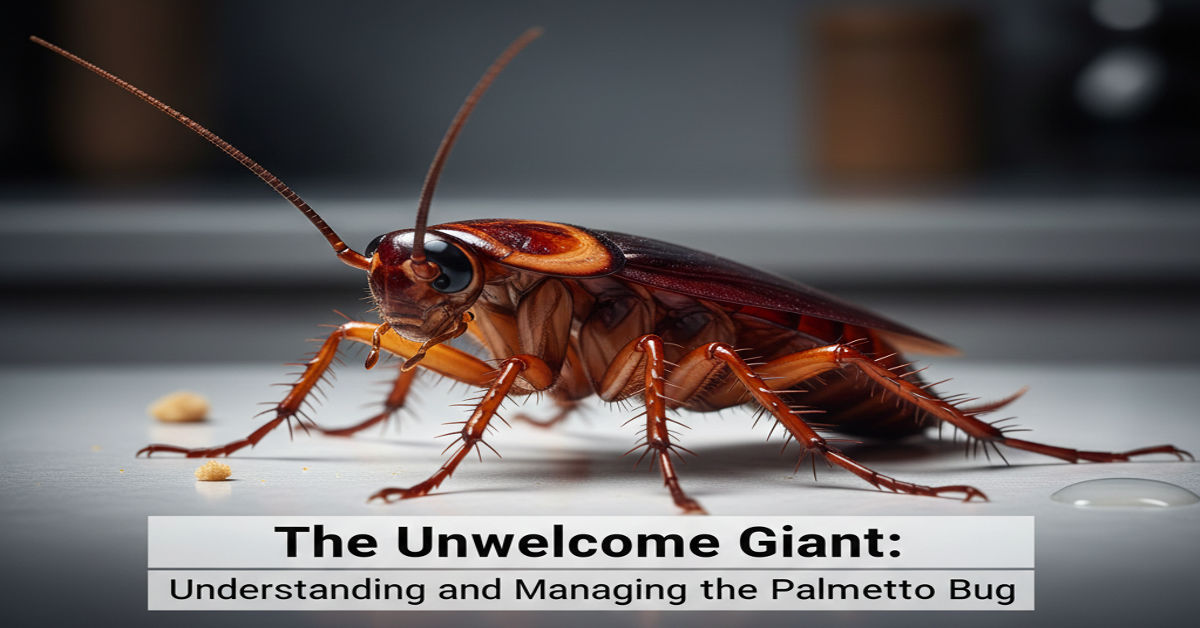
In the warm, humid climates of the southeastern United States, the palmetto bug is a familiar, if unwelcome presence. Known scientifically as Periplaneta americana, this large cockroach can reach up to two inches in length and is easily recognized by its reddish-brown color and winged form. Within the first few feet of entering a home, a palmetto bug seeks warmth, moisture and accessible food. Its presence can provoke both fear and concern, not only because of its size but also because of its potential health implications.
These insects are adapted to thrive in environments such as sewers, storm drains, wood piles, and areas near palmetto plants. Indoors, they are commonly found in basements, kitchens, bathrooms, and anywhere moisture accumulates. Unlike smaller species such as the German cockroach, palmetto bugs can fly short distances and prefer to inhabit warm, humid spots year-round. Understanding their biology, habits and the risks they pose is crucial for effective prevention and control.
This article examines the identification, reproductive behavior, health risks, pathways into homes, and practical strategies for managing palmetto bugs. It draws on research, expert insights and best practices to provide a thorough guide for homeowners and public health professionals alike.
Identification and Ecology
The palmetto bug, or American cockroach, is distinguished from other cockroaches by its size and habitat. Adults are reddish-brown with a pale yellow band on the pronotum and grow up to two inches long. They have fully developed wings and are capable of short flights, particularly in warm climates. Their greasy odor becomes noticeable in areas of heavy infestation.
Palmetto bugs are peridomestic insects. They are often found outdoors in moist, shaded environments such as woodpiles, mulch beds, and under debris. Indoors, they occupy humid areas such as kitchens, bathrooms, and basements. They are less dependent on human food than smaller cockroach species but will consume a wide range of organic materials when available.
Life Cycle and Reproduction
Palmetto bugs reproduce efficiently, which contributes to their resilience. Females produce oothecae—protective egg cases—containing 14–16 eggs. These are deposited in hidden, humid locations near food and water sources. Nymphs emerge from these oothecae after a few weeks, undergo multiple molts, and darken as they mature into adults.
| Stage | Key Characteristics | Typical Duration |
| Egg/Ootheca | Brown, purse-shaped case with 14–16 eggs | 6–8 weeks to hatch |
| Nymph | Wingless, molts 10–14 times | 6–12 months depending on conditions |
| Adult | Winged, reproductive, active foraging | Up to 1 year or more |
Their reproductive rate and adaptability allow for rapid population growth in suitable conditions, making early prevention essential.
Health Risks
Palmetto bugs pose several health risks. They can carry bacteria such as Salmonella and E. coli, which they acquire from sewers and decaying matter. Contact with food or surfaces contaminated by these bacteria can result in foodborne illnesses.
Beyond microbial hazards, palmetto bugs produce allergens in their droppings, saliva, and shed skins. These allergens can trigger asthma and other respiratory conditions, particularly in children and sensitive individuals. The presence of palmetto bugs in homes can also induce stress and sleep disruption for residents due to their size and sudden movements.
“American cockroaches are vectors for bacteria and allergens. Their presence in homes can pose significant health challenges,” notes Dr. Jane Smith, an urban entomologist.
Dr. Alan Cheng, a public health specialist, adds, “Cockroach allergens are among the most common triggers for asthma exacerbations in urban settings.”
How Palmetto Bugs Enter Homes
Palmetto bugs often infiltrate homes seeking warmth, moisture, and food. They can enter through cracks, gaps around doors and windows, plumbing lines, and vents. Once inside, they are drawn to predictable microhabitats such as behind appliances, under sinks, in basements, and around laundry areas. Unlike German cockroaches, they are less restricted to kitchens but exploit any accessible moisture and food.
| Entry Point | Indoor Habitat | Prevention Strategy |
| Cracks & Gaps | Baseboards, cabinets | Seal with caulk and weatherstripping |
| Drains & Sewers | Under sinks, floors | Install screens and maintain traps |
| Vents & Utility Lines | Walls, attics | Seal penetrations and insulate |
| Windows & Doors | Thresholds | Use tight-fitting frames and sweeps |
Regular inspection of these areas, combined with structural maintenance, reduces the likelihood of infestation.
Prevention and Control
Preventing palmetto bugs requires a combination of sanitation, moisture control, and structural repairs. Homeowners should repair leaks, seal cracks, store food securely, and reduce clutter that provides hiding spots. Outdoor measures, such as removing leaf litter, debris, and standing water, can make areas surrounding homes less hospitable.
Professional pest control may be necessary for severe infestations. Integrated pest management (IPM) strategies, which combine habitat modification, sanitation, and targeted use of baits or insecticides, are most effective. These strategies minimize chemical exposure while sustainably reducing populations.
Laura Greene, a pest management professional, emphasizes, “The key to controlling palmetto bugs is addressing moisture and food sources and sealing entry points. IPM provides a balanced approach that reduces reliance on chemical treatments.”
| Control Method | Description | Effectiveness |
| Sanitation | Remove food, clutter, and standing water | High if consistently maintained |
| Structural Sealing | Seal cracks, vents, and plumbing gaps | High as a preventive measure |
| Professional IPM | Combination of baits, insecticides, habitat modification | High for persistent infestations |
| Traps and Baits | Targeted use in key areas | Medium when combined with other methods |
Takeaways
- Palmetto bugs are large American cockroaches that thrive in warm, humid conditions.
- They reproduce through oothecae containing multiple eggs, leading to potential rapid population growth.
- They carry bacteria and allergens that can affect human health.
- Common entry points include cracks, drains, vents, and gaps around doors and windows.
- Prevention relies on sealing entry points, reducing moisture, and maintaining sanitation.
- Professional pest management and integrated pest management provide effective long-term control.
- Awareness of their biology and behavior enables informed prevention strategies.
Conclusion
Palmetto bugs, often feared and misunderstood, are among the most resilient and adaptable cockroach species in the southeastern United States. Their size, reproductive efficiency, and habitat flexibility have allowed them to coexist with humans for centuries. While they can carry bacteria and allergens, careful prevention and professional intervention significantly reduce their impact. Understanding Palmetto Bug behavior, life cycle, and entry methods empowers homeowners and public health professionals to mitigate risks while maintaining safe, comfortable living environments. Balanced management strategies, grounded in sanitation, structural maintenance, and targeted control, offer the most effective approach to coexisting with—or eradicating—these persistent pests.
FAQs
1. Are palmetto bugs dangerous to humans?
Yes. They can carry bacteria and allergens that may cause foodborne illness or trigger asthma.
2. Can palmetto bugs fly?
Yes, adults have wings and can fly short distances, especially in warm environments.
3. How do they get inside homes?
They enter through cracks, gaps, vents, plumbing lines, and poorly sealed windows or doors.
4. Can palmetto bugs reproduce indoors?
Yes, if conditions are warm and moist with available food, they can reproduce inside.
5. What is the best prevention method?
Seal entry points, fix leaks, maintain cleanliness, reduce moisture, and use baits or professional control if necessary.
References
- University of Florida IFAS Extension. (2025). American cockroach, Periplaneta americana (Linnaeus). Retrieved January 17, 2026, from https://edis.ifas.ufl.edu/publication/IN298
- Orkin. (2025). American cockroach: Facts, habits, and prevention tips. Retrieved January 17, 2026, from https://www.orkin.com/cockroaches/american-cockroach
- WebMD. (2025). Palmetto bugs: What you need to know about large cockroaches. Retrieved January 17, 2026, from https://www.webmd.com/a-to-z-guides/palmetto-bug-what-to-know
- Centers for Disease Control and Prevention (CDC). (2024). Cockroach allergens and asthma. Retrieved January 17, 2026, from https://www.cdc.gov/asthma/triggers/cockroaches.html
- Michigan State University Extension. (2025). Cockroaches: Biology, behavior, and management. Retrieved January 17, 2026, from https://www.canr.msu.edu/news/cockroaches