

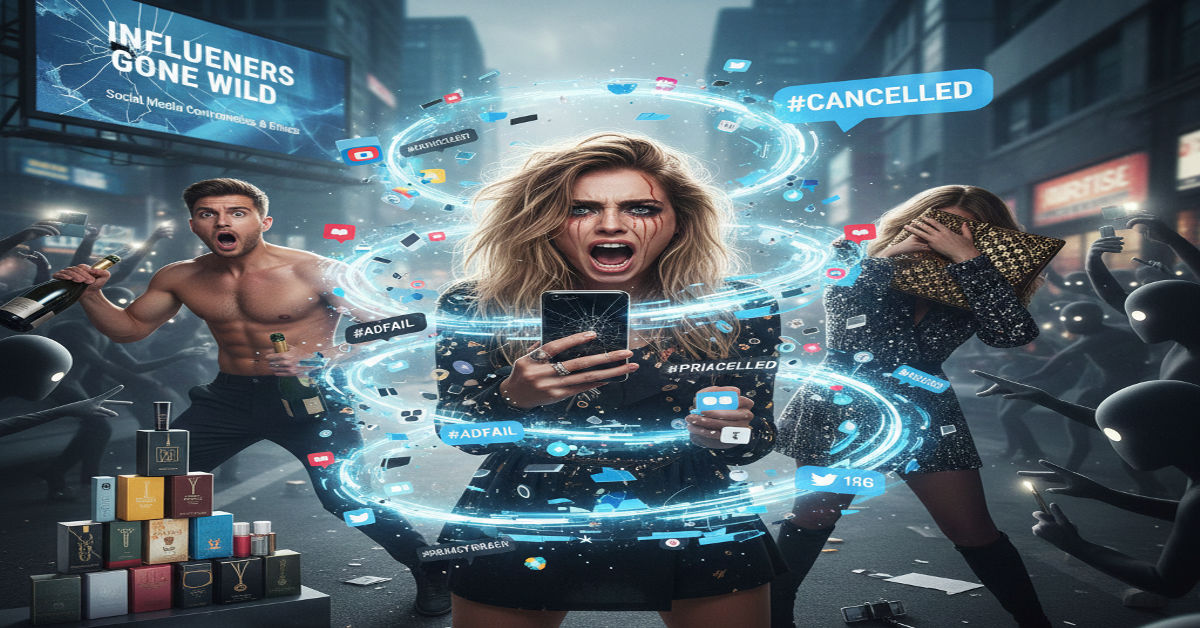
“Influencers gone wild” has become a defining phrase in contemporary digital culture, capturing a surge of online personalities pushing the limits of acceptable behavior. From controversial content and boundary-breaking stunts to explicit adult material, influencers increasingly seek virality in an ever-crowded social media ecosystem. Platforms like Instagram, TikTok, Twitter, and OnlyFans reward extreme visibility, turning attention into currency. What began as lifestyle blogging and relatable content has for many transformed into high-stakes spectacle with real consequences for both creators and their audiences.
Social media algorithms inherently reward engagement. Content that generates strong reactions—whether admiration, outrage or shock—achieves higher visibility. This dynamic encourages influencers to test boundaries, sometimes recklessly. Reckless stunts, leaked private material and accusations of inappropriate conduct have become part of the broader “gone wild” narrative. Critics argue that these trends reflect deeper systemic issues in the attention economy and highlight the erosion of boundaries between public and private life. Ultimately, the phenomenon offers insights into human psychology, digital commerce incentives, and the cultural tensions of an era where visibility often outweighs responsibility.
The Roots of Digital Recklessness
The rise of influencers gone wild is driven by structural and psychological pressures embedded in social media. Platforms amplify content that elicits strong emotional responses, favoring outrage, scandal, and sensationalism over mundane posts. Research in digital sociology shows that creators face constant pressure to outdo themselves often escalating toward extreme behavior.
Controversial or boundary-pushing content attracts attention, whether through polarizing opinions or intimate disclosures. Creators may see radical authenticity as the only way to distinguish themselves in a saturated market. Parasocial relationships—one-sided emotional bonds fans develop with influencers—can further inflate an influencer’s sense of invincibility, encouraging riskier content creation. As these dynamics intertwine, they form a feedback loop: extreme content garners attention, which encourages even more provocative behavior.
Notorious Cases and Public Backlash
Some of the most dramatic examples of influencers “going wild” blur ethical norms and challenge social expectations. British OnlyFans creators, for instance, have made headlines for extreme stunts or sensational claims about their personal lives. While some view these acts as empowerment, critics warn they normalize risky behavior and promote potentially harmful social trends.
Leaks of private content have also intensified controversy. Hacked videos or unfiltered moments often contradict a creator’s curated public persona, highlighting the tension between authenticity and privacy. Platforms, in response, have adapted through content moderation, algorithmic penalties, and bans, reflecting growing societal expectations that influencers act responsibly.
Types of “Gone Wild” Behavior
| Category | Example Behavior | Typical Consequence |
| Explicit Adult Content | Sexualized or pornographic self-promotion | Brand loss, platform bans |
| Reckless Stunts | Dangerous challenges for clicks | Injury, legal scrutiny |
| Cultural Insensitivity | Disrespecting sacred spaces for photos | Backlash, public criticism |
| Privacy Violations/Leaks | Hacked intimate videos | Trauma, reputation damage |
The Role of Adult Platforms in Influencer Culture
Subscription-based adult platforms such as OnlyFans have intensified debates about propriety, economics, and digital fame. Creators defending their work often cite agency and economic empowerment, while critics raise concerns about exploitation, privacy, and the exposure of younger audiences to explicit material.
Mainstream brands have increasingly collaborated with adult content creators, sparking debate over what constitutes appropriate marketing. This blurring of boundaries demonstrates how adult content and mainstream visibility increasingly intersect. Advocacy groups and lawmakers have also called for stronger safeguards, including consent verification and content moderation, to prevent nonconsensual or exploitative material from circulating under influencer branding.
Consequences of “Gone Wild” Content
| Outcome | Description | Impact |
| Cancel Culture | Public backlash and removal of brand partnerships | Loss of income |
| Platform Moderation | Content takedowns, bans, algorithm penalties | Reduced visibility |
| Legal Challenges | Lawsuits over content or exploitation | Financial liability |
| Audience Erosion | Loss of followers and trust | Long-term brand damage |
Expert Perspectives
Dr. Sarah T. Roberts, a media studies scholar, explains:
“The architecture of social platforms inherently rewards extremity, making moderation and ethical boundary-setting extraordinarily challenging.”
Media psychologist Jonathan Haidt observes:
“Parasocial relationships can lead creators to overestimate the positive impact of their controversial actions, encouraging riskier behavior.”
Cultural critic Zeynep Tufekci adds:
“Digital fame demands accountability. Without it, the pursuit of virality can eclipse ethical considerations and harm both creators and audiences.”
Key Takeaways
- Attention economy drives extremes: Algorithms favor content that elicits strong emotional reactions, incentivizing sensational behavior.
- Ethics and commerce collide: Adult content and provocative marketing blur traditional boundaries between brands and audience expectations.
- Backlash has real stakes: Cancel culture, lawsuits, and lost sponsorships underscore the tangible consequences of extreme content.
- Privacy risks are profound: Leaks and hacked content highlight the fragility of online reputation and personal boundaries.
- Community standards evolve: Social expectations and platform policies shape the boundaries of acceptable behavior for influencers.
Conclusion
The phenomenon of influencers gone wild illuminates deep structural tensions in modern social media culture. As creators compete for attention, the lure of controversy—from explicit content to boundary-breaking stunts—continues to define online engagement. The pursuit of virality carries real-world consequences: reputational damage, lost sponsorships, and audience distrust.
Beyond spectacle, this trend reflects broader societal negotiations about visibility, authenticity, and responsibility. It raises critical questions about the ethics of content creation, the influence of algorithms, and the boundaries of personal expression. Moving forward, balancing creative freedom with accountability, cultural respect, and privacy protection will remain central to the evolution of influencer culture.
FAQs
What does “influencers gone wild” mean?
It refers to influencers engaging in extreme, controversial, or provocative behavior online to attract attention, often crossing ethical boundaries.
Why do influencers post provocative content?
Algorithms reward engagement; controversial content generates higher views, sponsorship opportunities, and follower growth.
Are there legal risks to “gone wild” behavior?
Yes. Reckless or inappropriate content can result in platform bans, lawsuits, or criminal liability.
How do audiences influence this trend?
Emotional responses, likes, and shares reinforce visibility for extreme content, encouraging creators to escalate.
Can platforms curb extreme influencer behavior?
Platforms enforce policies, moderate content, and apply penalties, but balancing expression and safety remains challenging.
References
Consumer UK. (n.d.). Influencers gone wild: Understanding social media’s most controversial moments. https://www.consumeruk.co.uk/blog/entertainment-5/influencers-gone-wild-understanding-social-medias-most-controversial-moments-33
NearlyMen. (n.d.). Influencers gone wild: The dark side of social media fame. https://nearlymen.com/influencers-gone-wild-the-dark-side-of-social-media-fame/
Safexwire. (n.d.). Influencers gone wild: The risks & rewards of unfiltered content. https://safexwire.com/influencers-gone-wild/
TalkFlicker. (n.d.). Influencers gone wild 2025: The biggest social media scandals. https://talkflicker.com/influencers-gonewild/
The Guardian. (2025, August 9). L’Oréal hires OnlyFans star to market makeup popular with teenagers. https://www.theguardian.com/fashion/2025/aug/09/loreal-hires-onlyfans-star-to-market-makeup-popular-with-teenagers