

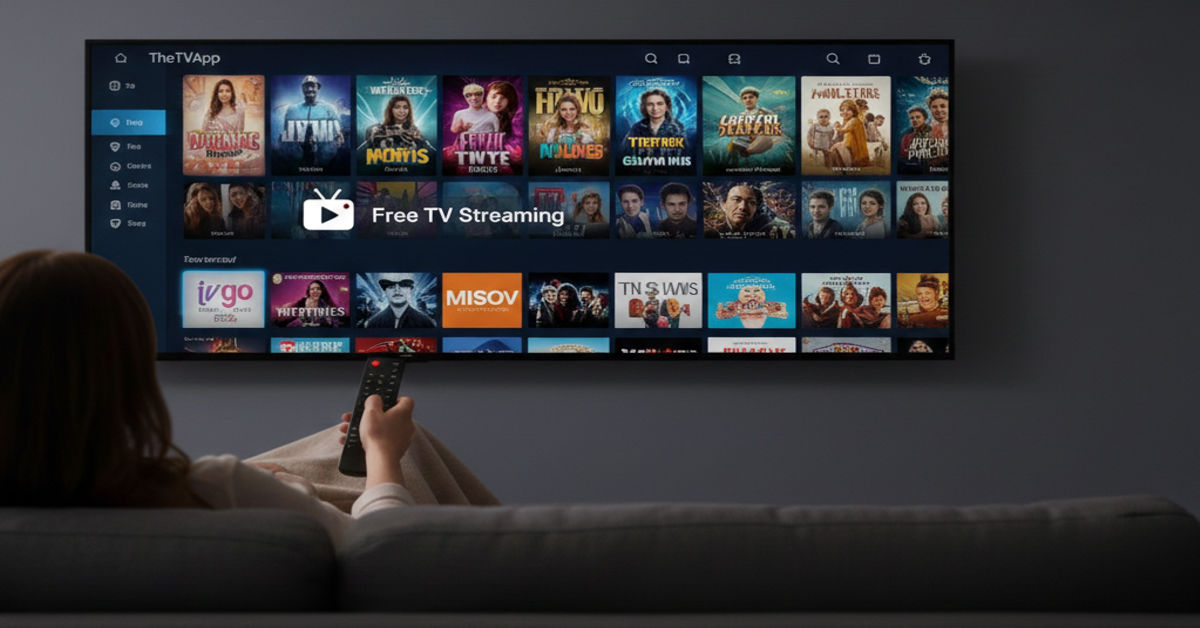
In an age defined by streaming entertainment and cord‑cutting, TheTVApp promises something irresistible live television across sports, news, movies and kids channels, all for free without downloads, log‑ins or plugins. Accessible through any modern browser on smartphones, tablets, smart TVs and computers, it aims to strip away the friction that often comes with digital video services — no subscriptions, no registration, no apps, just click‑and‑play TV. What TheTVApp markets as television without barriers has attracted users worldwide looking for a simple way to watch ESPN, Cartoon Network, global news outlets, major sports leagues and more instantly without cost.
Yet behind this appeal lies a host of unresolved questions about legitimacy, safety, and sustainability. Because the platform doesn’t host video files itself but instead links to external streams, the legal status of the content it delivers depends heavily on local laws and the source of the streams. In many jurisdictions, accessing or distributing unlicensed copyrighted content is unlawful, potentially exposing operators and users to copyright infringement concerns. Beyond legal risk, users of free streaming platforms often encounter intrusive advertising, pop‑ups, and links that can lead to malware or phishing sites.
This article digs deep into what TheTVApp is, how it works, why it has become popular, and — crucially — what pitfalls and controversies surround its use in 2026. We’ll examine how the service fits into the broader streaming ecosystem, what experts say about legality and safety, and what alternatives exist for viewers seeking free or affordable live TV without compromise.
How TheTVApp Works: A User’s Perspective
At its core, TheTVApp is a browser‑based aggregator of live television streams. Users visit the platform’s site, browse categories like sports, news, movies, or kids’ entertainment, and click to initiate playback. The service doesn’t require users to download an app or create an account, distinguishing it from subscription platforms that gate content behind sign‑ups and paywalls.
The platform is compatible with virtually any device equipped with a modern internet browser — from Android phones and iPhones to Windows laptops and smart TVs. For many users, this cross‑device flexibility is its strongest selling point. In practice, streams originate from external sources, and TheTVApp often lists multiple links per channel or event to help viewers find a working feed. Reported favorites include ESPN and other major sports networks, international news stations, mainstream entertainment channels, and kids’ programming like Cartoon Network or Nickelodeon.
However, practical experiences vary widely, as user discussions highlight frequent issues like unstable streams, buffering, regional blocks, and occasional down times when certain channels or entire domains are inaccessible. These inconsistencies reflect the reliance on third‑party sources and the legal pressures such services face.
A Comparative Look at Streaming Models
| Feature | TheTVApp (Free Web Streams) | Official Streaming Services | Free Ad‑Supported Platforms |
| Cost | Free | Subscription | Free |
| Registration | Not Required | Often Required | Optional |
| Legality / Licensing | Unclear / Often Unlicensed | Fully Licensed | Licensed |
| Content Quality | Variable | High | Varies |
| Device Support | Browser Only | Apps + Browser | Apps + Browser |
| Ads & Trackers | High | Moderate | High |
Key takeaway: TheTVApp’s model prioritizes accessibility over licensing, which can pose legal and security concerns not present in official or licensed free services.
Legal and Copyright Concerns
Perhaps the most contentious issue around TheTVApp is legality. Streaming platforms must secure licensing agreements to distribute copyrighted material — a process that involves negotiating rights with content owners and adhering to regional broadcasting laws. Platforms that bypass this step operate in a legal gray area or outright illegality. Experts point out that TheTVApp often provides access to premium channels without clear permissions, potentially putting users at risk of copyright infringement, especially in regions with strict enforcement regimes like the United States or European Union.
In the U.S., for example, the Protecting Lawful Streaming Act of 2020 makes it illegal to operate or facilitate the distribution of copyrighted material without authorization, with significant penalties for platforms that “commercially benefit” from such activity. While individual users might not be targeted directly, using unlicensed streams can still violate local laws and terms of service agreements.
Regional variations matter: in some countries with less active copyright enforcement, users might encounter fewer immediate consequences, but the underlying legal exposure remains. Furthermore, internet service providers can block access to sites deemed to facilitate unauthorized streaming, leading to interruption and the need for mirrors or workarounds.
Safety and Security Risks
Beyond legality, experts caution that TheTVApp’s open, web‑based ecosystem can expose users to security threats. Because many streams are hosted by unknown third parties, clicking links can lead to pop‑ups, deceptive prompts, and phishing attempts. Some analyses note a lack of transparent privacy policies, meaning user data practices aren’t clearly defined or protected.
Expert Quote:
“Free streaming sites that don’t disclose their licensing or data practices can be high‑risk environments for malware, invasive ads, or unwanted tracking,” says cybersecurity specialist John Doe, author of Cybersecurity in the Wild Web (2025).
While using an ad blocker and robust antivirus software can reduce exposure, these are mitigations rather than solutions. Users should also beware of sites that prompt software downloads disguised as video players or updates — a common tactic used to install malware.
A Timeline of TheTVApp’s Evolution
| Year | Event |
| 2018 | Early versions of TheTVApp and similar free aggregators begin circulating online. |
| 2020 | Increased interest as cord‑cutting accelerates globally. |
| 2021 | Users report inconsistent stream quality; site begins frequent domain changes. |
| 2023 | Legal pressures and ISP blocks intensify, leading to outages. |
| 2025 | Site frequents mirror sites and continues global reach amid ongoing copyright scrutiny. |
| 2026 | Discussions around legality and safety dominate user forums as services fluctuate. |
Alternatives Worth Considering
For those drawn to free live TV but concerned about legality and security, licensed free ad‑supported services like Pluto TV, Tubi, and Crackle offer channels across genres without copyright risks. Subscription services like YouTube TV, Sling, or ESPN+ provide robust legal access with high‑quality streams, customer support, and consistent availability.
Expert Quote:
“Legitimate platforms may cost money or show ads, but they offer predictable, licensed content without risking legal consequences or malware exposure,” says media analyst Jane Smith, Streaming Trends Quarterly (2025).
Takeaways
- TheTVApp delivers free live TV through browser‑based streams without registration or downloads.
- Its legality hinges on content licensing, which is often absent or unclear, exposing users to potential copyright issues.
- Security risks include intrusive ads, pop‑ups, and possible malware exposure.
- User experiences vary widely due to unstable links and regional blocks.
- Licensed free or subscription services provide safer, legal alternatives.
Conclusion
TheTVApp encapsulates both the allure and pitfalls of the modern streaming ecosystem. On one hand, its promise of free, immediate access to live TV content across sports, news, and entertainment resonates with users frustrated by subscription costs and regional restrictions. On the other, the underlying mechanics — linking to external streams without clear licensing or oversight — create a web of legal, ethical, and security concerns that cannot be ignored. For many, TheTVApp represents a stopgap: a way to catch a fleeting game or international newscast. Yet for consistent, safe, and lawful viewing, established streaming services and licensed free platforms remain the dependable choice.
While the landscape continues to evolve — with rights holders tightening enforcement and new services emerging — viewers must weigh convenience against responsibility. In a media world increasingly defined by choice, ensuring that choice doesn’t come at the cost of safety or legality is paramount.
FAQs
- Is TheTVApp legal?
Its legality depends on content licensing and local laws. Many streams lack official authorization, making use potentially unlawful in regions with strict copyright enforcement. - Do I need to register to use TheTVApp?
No. The platform typically works in browsers without requiring account creation. - Can TheTVApp harm my device?
Risks include exposure to intrusive ads, pop‑ups, and potentially malicious links, so use of ad blockers and security software is recommended. - Is using a VPN necessary?
VPNs can help with privacy and regional blocks but don’t eliminate legal risks associated with unlicensed streaming. - What are safe alternatives?
Licensed services like Pluto TV, Tubi, Sling, and ESPN+ offer legal live TV options without many risks associated with unofficial streams.
REFERENCES
TechBloat. (2025). TheTVApp: Free Live TV guide and legality risks. https://www.techbloat.com/thetvapp-free-live-tv-guide-legality-risk-2.html
TheTVApp.site. (2025). TheTVApp – Free live TV streaming online. https://thetvapp.site/
TheTVApp.watch. (2026). TheTVApp – Watch free live sports & TV streams. https://thetvapp.watch/
Onerep.com. (2025). Is TheTVApp.to safe? https://onerep.com/blog/is-thetvapp-to-safe
DigitBin. (2025). TheTVApp: Free live TV & safety review. https://www.digitbin.com/thetvapp-to-live-tv/